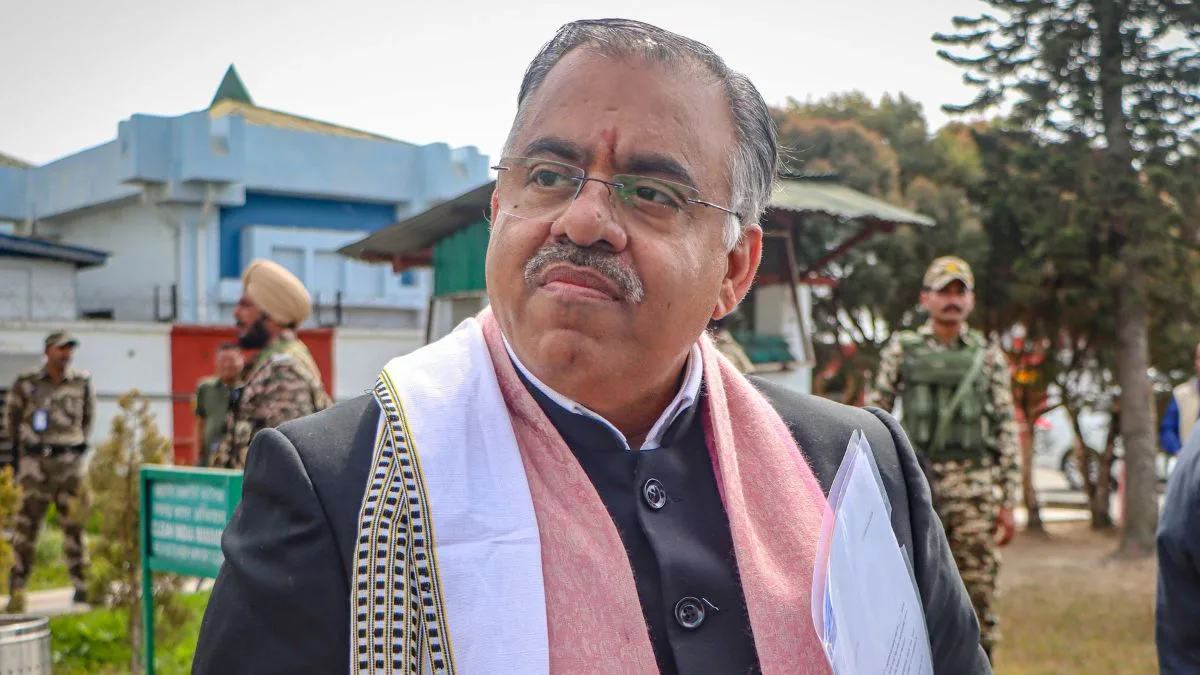
Union Minister Jitendra Singh inaugurated a three-day medical workshop on “Harnessing Artificial Intelligence for Multi-Omics Data Integration and Analysis” at Delhi’s Sir Ganga Ram Hospital on Saturday.
Addressing the gathering at the opening event, Singh urged the participants to reduce dependence on government funding and create a culture of private sector participation and philanthropic support for advancing developments in research and innovation.
Advertisement
Driving home the point, the minister cited the example of a grant of Rs 50,000 crore announced by the government earlier this year under the Ministry’s Anusandhan National Research Foundation (ANRF) Scheme. As a part of this scheme, non-government sources will be contributing an aid of Rs 36,000 to meet the total assigned budget for advancing India’s research and development over a period of five years.
This model, he added, reflects a paradigm shift in India’s approach to research and development, aligning it with global standards and emphasizing greater participation of academia and industry.
Encouraging the young minds, Singh highlighted successful models of industry-academia partnerships in medical research. He informed the crowd about the development of an indigenously discovered antibiotic through collaborative efforts of the Department of Biotechnology (DBT) and a private pharma company, Wockhardt.
He noted that “Nafithromycin”, the first antibiotic molecule — effective against resistant respiratory infections — is entirely conceptualized, developed and clinically validated in India. Singh called this a “significant leap toward self-reliance in the pharmaceutical sector.”
He urged greater collaboration between government departments, private hospitals, and research institutes to realize the vision of Viksit Bharat @2047. The Minister lauded institutions like Sir Ganga Ram Hospital for pioneering interdisciplinary approaches by integrating AI, biotechnology and genomics to improve healthcare outcomes.